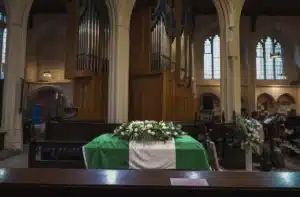
When someone we love has died, we want the people who loved them to be there. But life does not always make that possible. A cousin may be on another continent, a grandparent may be too frail to travel, and a close friend may be unwell. This is where memorial live streaming services can make a real difference. They let people who cannot be in the room still take part, in real time, from wherever they are.
We are Funeral Livestream, and we have helped many families share memorials and celebrations of life with loved ones near and far. In this guide, we walk you through how to plan a memorial livestream from start to finish. We keep things simple and practical, because we know you have a lot on your mind. By the end, you will feel ready to make good choices and to create a gentle, respectful experience for everyone who watches.
Why Memorials Are Different From Funerals
A funeral is often a formal service held soon after a death. A memorial is usually more flexible. It might happen weeks or months later, in a garden, a village hall, a favourite pub or a family home. Many families choose a celebration of life, which focuses on stories, music and happy memories rather than sadness alone.
This flexibility is a gift, but it also means there are more decisions to make. Because a memorial can be held almost anywhere and at almost any time, planning a live streaming memorial service needs a few extra thoughts. You need to think about the venue, the internet signal, the lighting, the sound and the way guests will feel about being filmed. We cover each of these below, so nothing catches you by surprise.
Why Families Choose to Livestream a Memorial
Before we get into the details, it helps to understand why so many families choose this option. Here are the most common reasons:
- Distance. Families are more spread out than ever. A livestream lets relatives abroad or across the country be part of the day.
- Health and mobility. Older guests or those with health problems can watch from a comfortable chair at home.
- Work and travel costs. Not everyone can take time off or afford a long journey.
- Small venues. Some spaces hold only a limited number of people, so a stream lets more people share the moment.
- A lasting keepsake. A recording gives the family something to return to in the years ahead.
A memorial livestream does not replace being there in person. What it does is open the door a little wider, so nobody feels left out.
Step One: Decide Who You Want to Include
Start with a simple question. Who do you want to be able to watch? Write a list, and be generous. Include close family, friends, colleagues, neighbours, club members and anyone else who was part of your loved one’s life.
Then think about whether the stream should be private or open. A private stream can only be seen by people who have the link or a password. This is the most popular choice, because it keeps the service personal. Some families prefer an open stream, for example when the person was a well-known figure in the community. Either way, you are in control.
It also helps to think about time zones. If guests are joining from Australia, Canada or South Africa, the service may happen in the middle of their night. A recording that they can watch later is a very kind option for them.
Step Two: Choose the Right Venue
The place you choose affects almost every part of the livestream. Some venues are easy to work with, while others need a little planning.
Indoor Venues
Churches, chapels, halls and crematoria often have good acoustics and steady lighting. Check if the venue has reliable Wi-Fi or a strong mobile signal. Ask the manager whether filming is allowed and if there are any rules about where equipment can go.
Outdoor Venues
Gardens, beaches, parks and woodlands make lovely settings for a celebration of life. They also bring challenges such as wind noise, changing light and weak signal. A good streaming team will bring the right microphones and a backup connection, so the broadcast stays smooth.
Homes and Private Spaces
A memorial at home feels warm and personal. Just make sure the space has a stable internet connection, and think about where the camera can go without getting in the way of guests.
If you are not sure which venue works best, a quick visit with your streaming provider can answer many questions before the day.
Step Three: Plan the Order of the Day
A good livestream follows the natural flow of the memorial. Sit down with your family or celebrant and outline the main parts of the day. It may include:
- A welcome and opening words
- Music or a favourite song
- Readings, poems or prayers
- A eulogy or a series of short stories from friends and family
- A slideshow or video tribute
- A moment of quiet reflection
- Closing words and a farewell
Tell your streaming team the order and the timings. This helps them plan camera positions, sound levels and any moments that need extra care, such as a slideshow or a live song.
If you are having a slideshow, think about how it will appear on screen. Some families show it on a screen in the room, while others share it directly into the stream so that online guests see it clearly. Ask your provider which option gives the best result.
Step Four: Think About Cameras, Sound and Lighting
You do not need to be a technical expert. But knowing a few basics helps you ask the right questions.
Cameras
One camera is enough for a small, simple gathering. Two or three cameras give a richer view, for example one on the speaker, one on the whole room and one on the family. The camera should be still and quiet, and it should never distract the people in the room.
Sound
Sound matters more than picture. If online guests cannot hear the words, the whole experience feels distant. Speakers should use a microphone, even if the room is small. Music should be played through a system that can feed into the stream too, so that it does not sound thin or distorted.
Lighting
Soft, even light looks kind and natural. Avoid sitting speakers directly in front of a bright window, because they will look dark on screen. Turn on room lights if the day is gloomy.
For a deeper look at how the whole process runs, you can read how our service works.
Step Five: Make Sure the Internet Is Ready
A stable connection is the backbone of any livestream. Nothing spoils a moving moment like a frozen screen. Here is how to protect against it:
- Ask the venue about its internet speed, and ask for a wired connection if possible.
- Plan a backup, such as a mobile data connection, in case the main one fails.
- Do a test run before the day, ideally at the same time and in the same place as the service.
- Ask guests to close other apps and use a good connection when they watch.
A professional team will usually test all this in advance and will have a plan B ready. That means you can focus on your family rather than on the technology.
Step Six: Help Online Guests Feel Part of the Day
People watching from home can sometimes feel like outsiders. With a little planning, you can help them feel truly included.
- Send clear instructions early. Share the link, the start time and a short guide on how to join. Include the time in each guest’s local time zone if you can.
- Welcome them on the day. A short line from the celebrant, such as “Welcome to everyone joining us online,” makes a big difference.
- Offer a way to share messages. Some services allow guests to leave written tributes or memories in a chat or guest book.
- Include them in moments of connection. If there is a minute of silence, a shared prayer or a toast, invite online guests to take part from their own homes.
We have written more about this in our guide on how memorial livestreaming supports family participation, which is worth a read if you want to make every guest feel involved.
Step Seven: Think About Privacy and Comfort
Filming a memorial is a sensitive matter, and it is completely normal to have questions about privacy. Here are a few things to consider:
- Ask for consent. Let guests know in advance that the service will be streamed, so nobody is surprised on the day.
- Choose a discreet setup. Cameras can be placed at the back or side of the room, so they stay out of sight.
- Set clear rules on sharing. Ask guests not to share the link on social media if you want the stream to stay private.
- Create camera-free moments. If a family member would rather not be filmed during a certain part of the service, the team can adjust the view.
- Decide about the recording. Choose who will receive it and how long it will be available.
A caring provider will respect your wishes and will handle every request with quiet professionalism.
Planning Ideas Specific to Celebrations of Life
A celebration of life often feels lighter and more personal than a traditional service. That gives you room to be creative, and a livestream can capture it beautifully. Here are some ideas that work well:
- A story circle. Invite guests to share short stories, and let online guests send in written memories that the celebrant reads aloud.
- A favourite playlist. Play songs your loved one enjoyed, and share the playlist afterwards.
- A photo wall. Display photos in the room and share a digital version with everyone watching.
- A shared toast. Ask everyone, in the room and online, to raise a glass at the same moment.
- A themed dress code. Ask guests to wear a favourite colour or a football shirt, and invite online guests to do the same.
- A memory book. Collect messages from all guests and give the family a keepsake afterwards.
These small touches make the day feel warm and unique, and they help online guests feel closer to the people in the room.
What to Look for in a Memorial Livestream Provider
Choosing the right team is one of the most important decisions. When you compare options, look for the following:
- Experience with memorials. A team that understands grief will handle the day with sensitivity.
- Simple, clear booking. You should not need to work out complicated technology yourself.
- Reliable equipment and a backup plan. Good providers plan for problems before they happen.
- Good communication. You should feel able to ask questions at any time.
- Flexible options. Every family is different, so your service should fit your needs.
- Recording and sharing. Ask how and when you will receive the recording.
You can find out what is included in our memorial livestreaming service if you would like to see how we approach this.
Conclusion: Bringing Everyone Together, Wherever They Are
Planning a memorial is never easy, but it can be a gentle and healing experience when the people who matter most are able to share it. With a little care over the guest list, venue, sound, connection and privacy, memorial live streaming services can turn a small gathering into a circle that stretches across the world. The most important thing is to keep the day true to the person you are remembering.
If you would like calm, caring support to help you plan, we are here for you. Contact our team today and let us help you bring your family and friends together for a memorial that honours your loved one beautifully.
Frequently Asked Questions
1. What are memorial live streaming services?
Memorial live streaming services let you broadcast a memorial or celebration of life over the internet in real time. Family and friends who cannot attend in person can watch from home, and many services also offer a recording afterwards.
2. How does a live streaming memorial service work?
A camera and microphone capture the service and send it through a secure internet connection. Guests receive a link and can watch on a phone, tablet or computer. There is nothing to install in most cases.
3. Can I livestream a memorial held outdoors?
Yes. Gardens, parks and beaches can all work well. The team will plan for wind noise, light and internet signal, and they will often bring a backup connection to keep the stream steady.
4. Do guests need special equipment to watch?
No. Most guests only need a phone, tablet or computer with an internet connection. The link is usually simple to open, and you can send clear instructions to anyone who is less confident with technology.
5. Is a memorial livestream private?
It can be. Many families choose a private stream that only people with the link or a password can see. You decide who watches and whether the link may be shared.
6. Can we get a recording of the memorial service?
Yes, in most cases. A recording gives the family a keepsake and allows people in different time zones to watch later. Ask your provider how long it will be available and how it will be delivered.
7. How far ahead should I book memorial live streaming?
The earlier the better, because it gives the team time to plan. Even so, many providers can help at short notice. If your date is close, get in touch as soon as you can.
8. What if the internet connection fails during the service?
A good provider will test the connection beforehand and have a backup ready, such as a mobile data link. This keeps the risk of interruption very low.
9. Will the camera be distracting for guests?
It should not be. Cameras are usually placed at the back or side of the room, and they are quiet and unobtrusive. Most guests forget they are there once the service begins.
10. Can online guests take part in the service?
Yes. They can be welcomed by the celebrant, join in a toast or a minute of silence, and send written messages or tributes. These small touches help everyone feel included.